
Looking to smooth out those pesky static wrinkles? Here’s what you need to know:
- Dermal Fillers: Quick fix, instant results
- Laser Treatments: Long-lasting, tackles multiple skin issues
- Chemical Peels: Improves overall skin texture
- Microneedling: Boosts collagen production
Quick Comparison:
| Treatment | Effectiveness | Downtime | Duration | Cost |
| Fillers | High | Minimal | 6-18 months | $500-$1,500/syringe |
| Lasers | High | 1-14 days | 1-5 years | $1,000-$6,700/session |
| Peels | Moderate | 3-14 days | 1-6 months | $150-$3,000+ |
| Microneedling | Moderate | ~1 week | Up to 6 months | $200-$800/session |
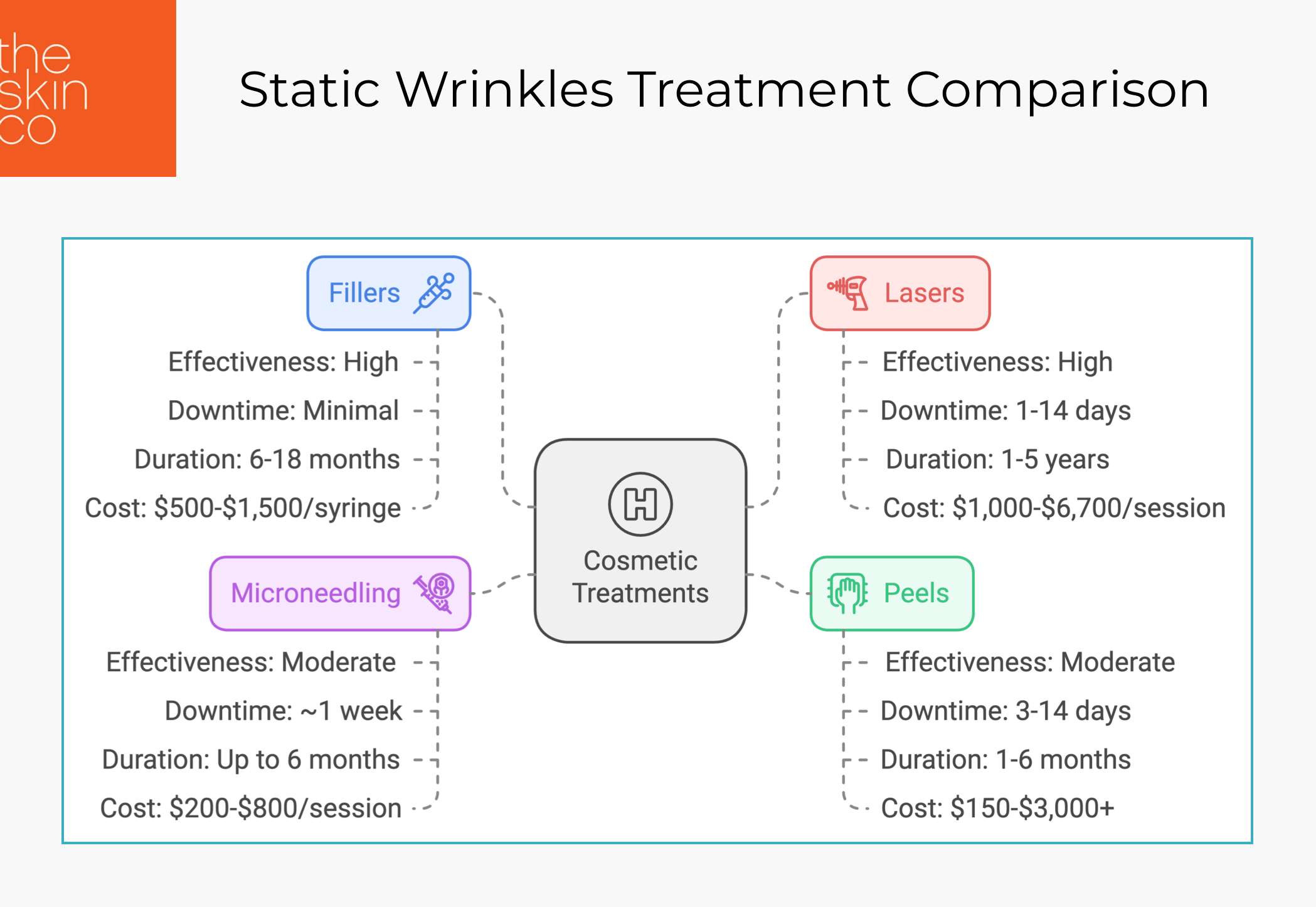
Choose based on your wrinkle depth, skiChoose based on your wrinkle depth, skin type, budget, and desired results.
1. Dermal Fillers
Dermal fillers are injectable treatments that smooth out static wrinkles and add volume to your face. They’re a non-surgical way to freshen up your look and tackle those lines that stick around even when your face is relaxed.

How Well They Work
Dermal fillers are great at reducing static wrinkles. They work by injecting gel-like substances under your skin, instantly plumping up areas that have lost volume as you’ve aged. The most common filler is made from hyaluronic acid (HA), which your body naturally produces to keep your skin hydrated and elastic.
Different fillers target specific areas:
How Long Results Last
The duration of filler results depends on the type used and the area treated:
- HA fillers like Juvederm and Restylane typically last 6-12 months.
- Radiesse can last up to 18 months.
- Sculptra may provide results for two years or more.
Your metabolism, lifestyle, and the amount of filler used can affect how long the results stick around.
What Affects Healing Time
Your skin’s recovery usually goes like this:
- First 24 hours: Red and swollen? Don’t sweat it. That’s normal.
- Days 2-3: The irritation starts to chill out.
- By day 7: Most people’s skin is back to normal.
But hey, everyone’s different. Some people heal faster, others need more time.
Recovery Period
One big plus of dermal fillers is the quick recovery. Most people can get back to their normal routine right after treatment. You might see some:
- Slight swelling
- Bruising
- Redness where you got the injections
These usually go away in a few days. To help minimize these effects, avoid blood thinners and aspirin for a few days before your treatment.
Treatment Cost
The cost of fillers can vary a lot based on the type of filler, how much you need, and your provider’s expertise. Here’s a rough guide:
| Filler Type | Cost per Syringe |
| Juvederm | $500 – $1,500 |
| Restylane | $400 – $800 |
| Radiesse | $650 – $800 |
| Sculptra | $900 per vial |
Most treatments need more than one syringe for the best results. For example, you might need 1-2 syringes per cheek, or 1-2 syringes total for lips.
Dr. Shaun Patel of Miami Skin + Vein says
“Most patients should expect to have filler treatment every 9-12 months.”
This keeps your look fresh, but you can adjust based on what you want and need.
When you’re thinking about getting fillers, it’s crucial to talk to a board-certified cosmetic surgeon or a trained medical injector. They can help you pick the best filler for your needs and make sure you get safe, effective treatment. While cost matters, your provider’s skill should be your top priority for natural-looking results and lower risks.
2. Laser Treatment for Wrinkles
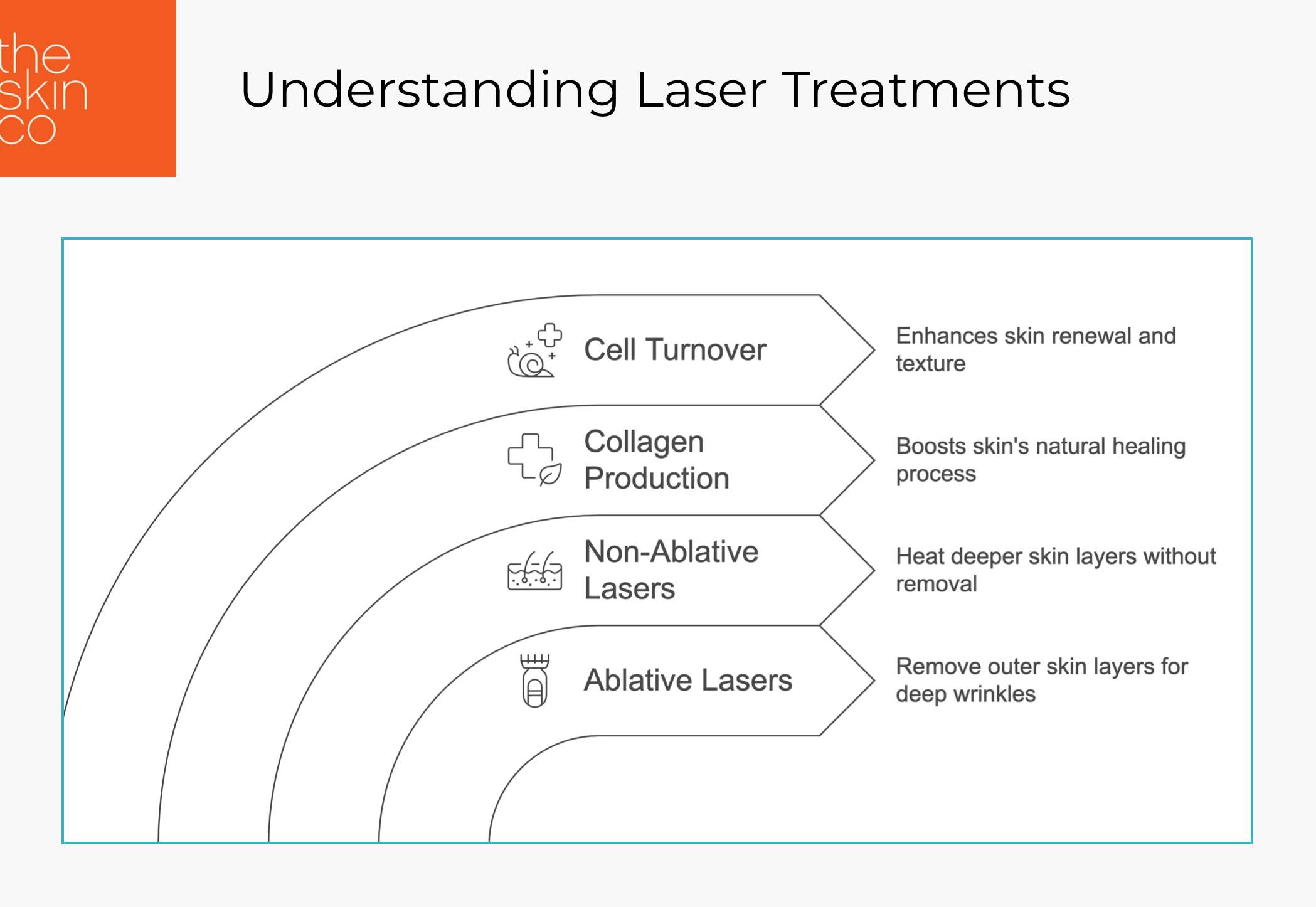
Laser treatments are a high-tech way to smooth out static wrinkles and improve skin texture. They use focused light beams to target specific skin layers, kick-starting collagen production and cell turnover.
How Well They Work
These treatments pack a punch when it comes to fighting static wrinkles, fine lines, and other aging signs. How? They create tiny, controlled injuries in your skin. This triggers your body’s natural healing process and boosts collagen production.
There are two main types of lasers:
- Ablative lasers (like CO2 and Erbium) – These remove the outer skin layers. They’re great for deep wrinkles around the mouth and forehead.
- Non-ablative lasers (like Fraxel) – These heat deeper skin layers without removing the surface. Less downtime, but subtler results.
Dr. Michele Green, a board-certified cosmetic dermatologist, says: “Lasers can work in various ways to resurface the skin and address specific skin concerns.”
How Long Results Last
Results can last anywhere from 1 to 5 years, depending on the laser type and your skin:
- Ablative laser results typically stick around for 3-5 years with good skincare.
- Non-ablative treatments might need multiple sessions but can last up to a year.
- Some lasers, like the Fraxel Dual, can even offer permanent improvements if you’re careful about sun exposure afterwards.
Want to make your results last longer? We suggest using medical-grade skincare products and getting touch-up treatments every 6-12 months.
Recovery Period
Recovery time depends on how intense your treatment was:
- Ablative lasers (like CO2) need 1-2 weeks of downtime. Full healing can take up to a month.
- Non-ablative treatments? You can usually get back to normal right away.
During recovery, follow your provider’s instructions. This usually means:
- Staying out of the sun
- Keeping your skin moisturized
- Using gentle skincare products
Treatment Cost
Laser treatments can vary a lot in price. It depends on the laser type, treatment area, and your provider’s expertise. Here’s a rough guide:
| Laser Type | Price Range |
| CO2 Laser | $2,446 – $6,700 |
| Fraxel | $1,000 – $3,900 |
| Clear and Brilliant | $600 per session |
| Halo Laser | $1,000 – $1,600 per session |
Keep in mind, you might need multiple sessions for the best results, especially with non-ablative treatments. The American Society of Plastic Surgeons reports that in 2020, ablative laser skin resurfacing averaged about $2,509, while non-ablative treatments averaged $1,445.
Thinking about laser treatments for your static wrinkles? Talk to a skincare professional or plastic surgeon first. They can look at your skin type, concerns, and goals to recommend the best laser treatment plan for you.

3. Chemical Peels for Wrinkles
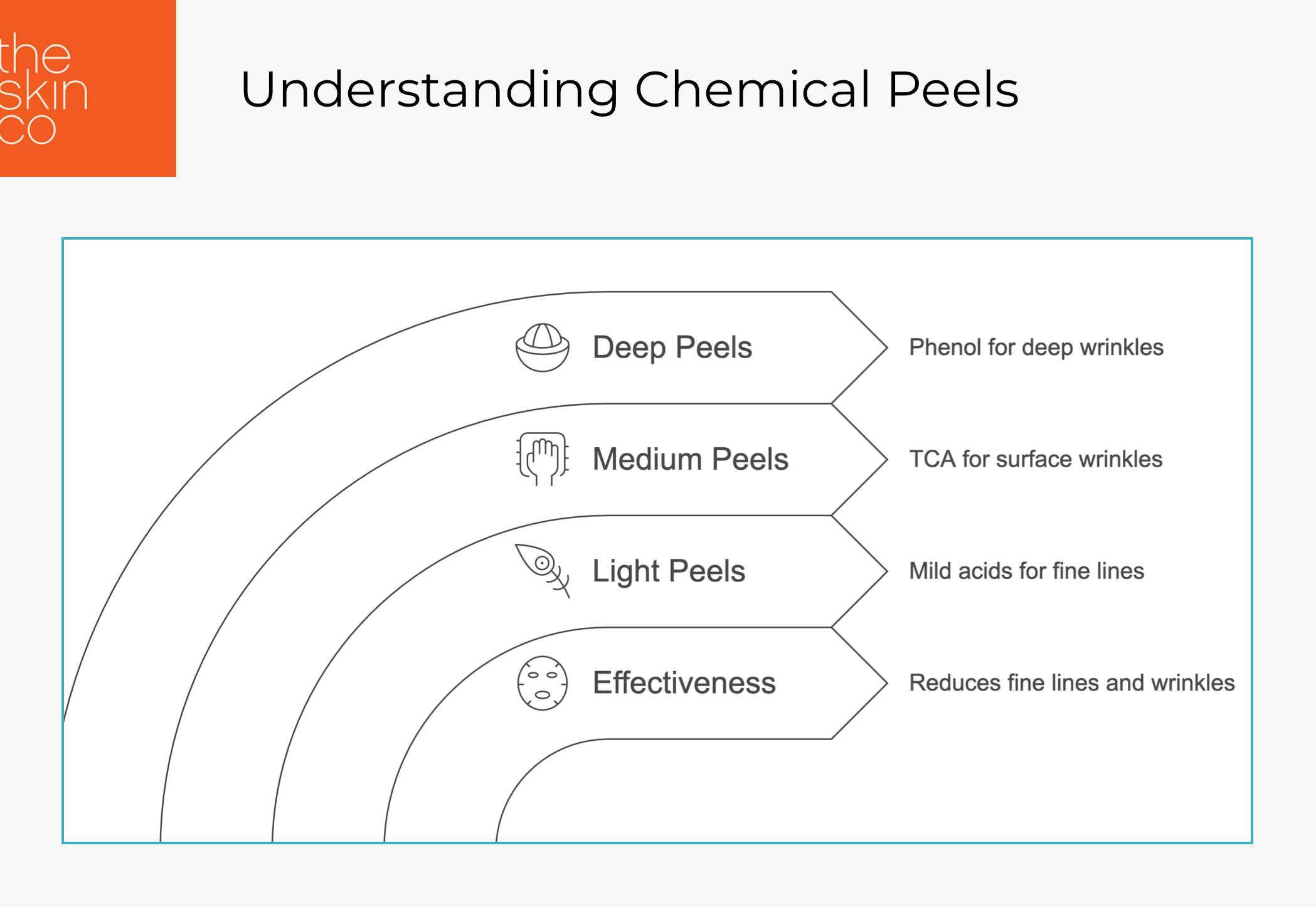
Chemical peels are a go-to treatment for static wrinkles and skin texture improvement. They work by applying a chemical solution that removes damaged outer skin layers, revealing fresher skin underneath.
How Well They Work
Chemical peels can be pretty effective for reducing fine lines and wrinkles. Here’s how they work:
- They remove dead skin cells
- They boost collagen production
- They improve skin texture and tone
The strength of the peel determines its effectiveness:
- Light peels use mild acids like AHAs. They’re best for fine lines and uneven pigmentation.
- Medium peels often use TCA. They target surface wrinkles and uneven skin tone more effectively.
- Deep peels, usually using phenol, can tackle deep wrinkles and severe sun damage.
How Long Results Last
The strength of the peel also affects how long results stick around:
- Light peels: Results typically last 1-2 months
- Medium peels: Effects can hang around for up to 6 months
- Deep peels: Results can last for years, with some effects potentially being permanent
CAS MediSpa suggests multiple treatments for the best results:
“Many people can see results after one VI peel treatment, and a series of three to six treatments is often recommended for optimal results.”
Recovery Period
Recovery time? It depends on how intense the peel is:
- Light peels: Expect 3-4 days of mild redness and flaking
- Medium peels: It takes about 5-7 days for new skin to develop
- Deep peels: You’re looking at up to 2 weeks for full recovery
After your treatment, take care of your skin. Stay out of the sun and skip the exfoliating products for at least 1-2 weeks. CAS MediSpa advises:
“After treatment, it is crucial to protect the skin from direct sun exposure for at least one to two weeks by wearing sunscreen every day.”
Treatment Cost
Chemical peels come in different price ranges:
| Peel Type | Average Cost Range |
| Light | $150 – $300 |
| Medium | $300 – $1,000 |
| Deep | $1,000 – $3,000+ |
The American Society of Plastic Surgeons says the average chemical peel costs $673. But remember, this can vary a lot based on where you live, who’s doing the peel, and what type of peel you’re getting.
While chemical peels can be a budget-friendly way to freshen up your face, don’t cheap out on quality and safety.
4. Microneedling Treatment
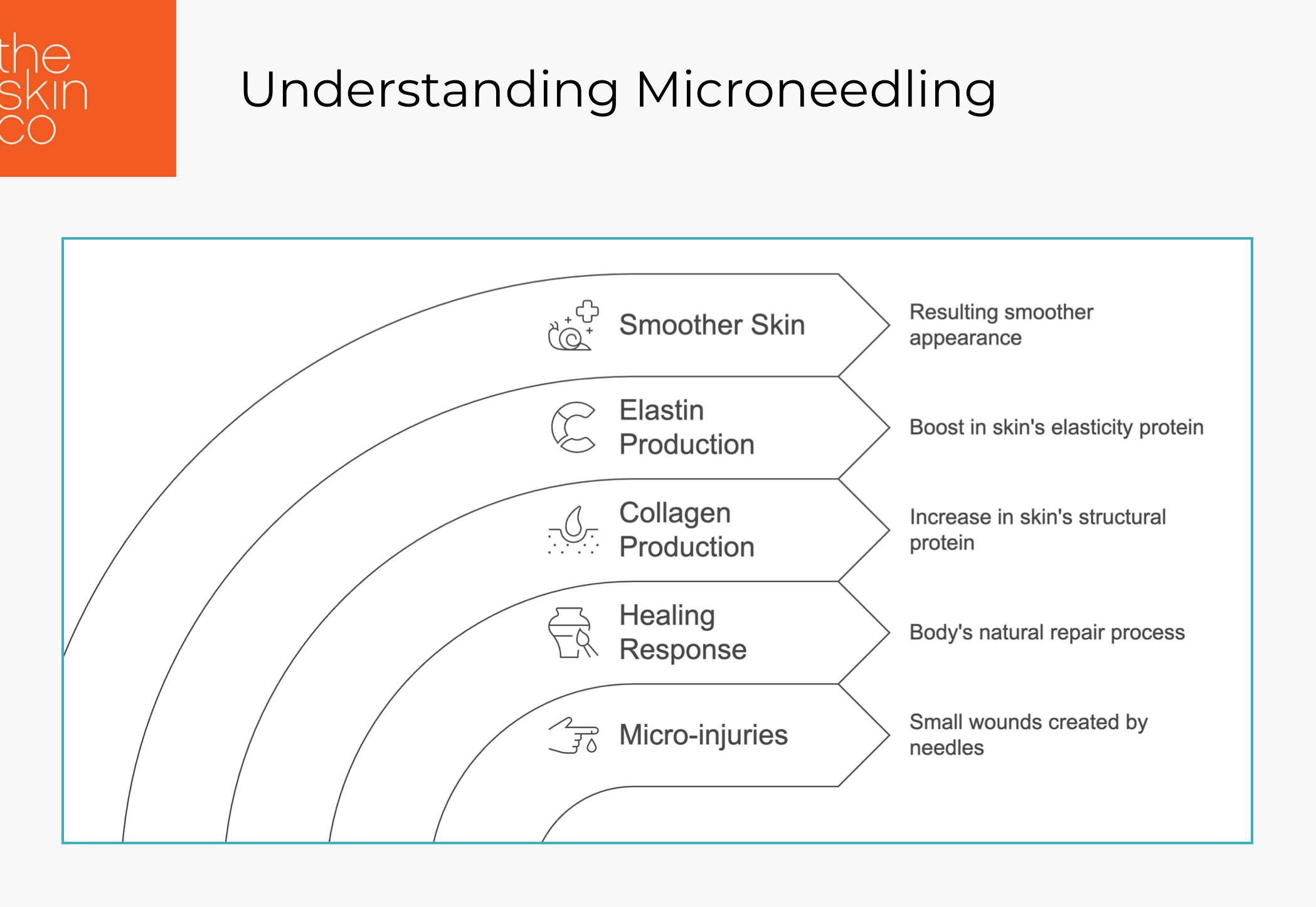
Microneedling uses tiny needles to create micro-injuries in your skin. This triggers your body’s healing response, boosting collagen and elastin production to smooth out static wrinkles.
How Well They Work
Microneedling can be effective for static wrinkles, especially with multiple treatments. Here’s what you might see:
- Smoother skin texture
- Fewer fine lines and wrinkles
- More even skin tone
- Less noticeable pores
“Microneedling is an excellent option to give your skin an overall younger look and address surface issues like scars or sunspots”, says Dr. Manolis Manolakakis, an Aesthetic Expert.
Most people get the best results after 3-6 sessions, spaced 4-6 weeks apart. This gives your skin time to heal and produce new collagen between treatments.
How Long Results Last
Microneedling effects aren’t just short-term. You might see improvements for up to six months after one treatment:
- Right after: Skin looks softer and tighter
- 2-4 weeks: More improvement as skin heals
- Up to a year or more: Long-lasting effects
The Skin Company in Castle Rock, CO, suggests touch-ups every 6 to 12 months to keep your youthful look. They also stress using good skincare to extend your results.
Recovery Period
Microneedling has a pretty short recovery time:
- Total recovery: About a week
- Right after: Redness, swelling, maybe bruising
- First few days: Skin feels tight and sensitive
To help your skin bounce back:
- Stay out of the sun for at least a week
- Don’t use harsh skincare products
- Drink lots of water and use a gentle, antioxidant serum
Treatment Cost
Microneedling costs can vary based on where you live and what type you get:
| Treatment Type | Price Range |
| Basic Microneedling | $200 – $700 per session |
| Advanced Microneedling (e.g., with PRP) | $300 – $800 per session |
Most people need 3-4 sessions for the best results. So, multiply the per-session cost by the number of sessions you’ll need when planning your budget.
Microneedling isn’t the cheapest option, but it’s usually more affordable than laser treatments. It’s popular for fighting static wrinkles without spending a fortune.
Benefits and Drawbacks
Let’s dive into the pros and cons of the main static wrinkle treatments:
Dermal Fillers
The Good:
- Quick results, minimal downtime
- Precise targeting
- Customizable options
The Not-So-Good:
- Temporary fix, needs repeat treatments
- Possible allergic reactions or lumps
- Can get pricey over time
Dr. Shaun Patel from Miami Skin + Vein says
“Most patients should expect to have filler treatment every 9-12 months.”
So, you get flexibility, but it’s an ongoing commitment.
Laser Treatments
The Good:
- Tackles multiple skin issues at once
- Boosts your natural collagen
- Results last longer than some other options
The Not-So-Good:
- Higher upfront cost
- Longer recovery, especially for ablative lasers
- Might need multiple sessions for best results
Dr. Michele Green, a board-certified cosmetic dermatologist, points out
“Lasers can work in various ways to resurface the skin and address specific skin concerns.”
It’s versatile, but needs careful tailoring to each patient.
Chemical Peels
The Good:
- Improves overall skin texture and tone
- Can be tailored to your skin type and concerns
- Generally cheaper than laser treatments
The Not-So-Good:
- Might not pack a punch for deep wrinkles
- Often needs multiple treatments
- Risk of skin irritation or discoloration
Microneedling
The Good:
- Less downtime than more invasive procedures
- Kickstarts your natural collagen production
- Can be combined with other treatments
The Not-So-Good:
- Needs multiple sessions for best results
- Not as effective for very deep wrinkles
- Results might take a while to show up
Dr. Manolis Manolakakis, an Aesthetic Expert, says
“Microneedling is an excellent option to give your skin an overall younger look and address surface issues like scars or sunspots.”
Great for overall skin health, but maybe not the top pick for deep wrinkles.
Here’s a quick comparison:
| Treatment | Wrinkle-Fighting Power | Downtime | How Long It Lasts | Price Range |
| Dermal Fillers | High | Minimal | 6-18 months | $500 – $1,500 per syringe |
| Laser Treatments | High | 1-14 days | 1-5 years | $1,000 – $6,700 per session |
| Chemical Peels | Moderate | 3-14 days | 1-6 months | $150 – $3,000+ |
| Microneedling | Moderate | About a week | Up to 6 months | $200 – $800 per session |
When picking a treatment, think about your skin concerns, budget, and how much downtime you can handle.
Which Treatment Should You Choose?
Picking the right treatment for static wrinkles can be tricky. Here’s what to think about:
How Deep Are Your Wrinkles?
For light wrinkles:
- Try retinol creams
- Light chemical peels
- Microneedling
For deeper wrinkles:
- Dermal fillers
- Laser treatments
- Deep chemical peels
What’s Your Skin Like?
Your skin type matters:
- Oily skin? Chemical peels or lasers might work well.
- Dry, sensitive skin? Try fillers or microneedling.
- Want to fix multiple issues? Laser treatments could be your best bet.
How Much Downtime Can You Handle?
Think about recovery time:
- Need to get back to work fast? Go for fillers, light peels, or microneedling.
- Can you take a few days off? Try medium peels or some laser treatments.
- Able to hide out for a while? Deep peels or intense lasers might be an option.
What’s Your Budget?
Treatments range from budget-friendly to splurge:
- Chemical peels: $150-$3,000+
- Microneedling: $200-$800 per session
- Laser treatments: $1,000-$6,700 per session
- Dermal fillers: $500-$1,500 per syringe
Quick Fix or Long-Term Results?
Consider how often you want treatments:
- Fillers: Fast results, but you’ll need touch-ups every 6-18 months.
- Lasers: Results last 1-5 years, fewer sessions needed.
- Peels and microneedling: Regular treatments for ongoing benefits.
Making Your Choice
- Talk to a pro: Get advice from a board-certified skincare professional or plastic surgeon.
- Start small: New to this? Try less intense treatments first.
- Mix and match: Combining treatments often works best.
- Think long-term: Pricier treatments might save money over time.
- Take care of your skin: Whatever you choose, use sunscreen daily to protect your investment.
FAQs
What is the best treatment for static wrinkles?
Dermal fillers are the go-to solution for static wrinkles. These injectables work their magic by pumping up the volume under your skin, smoothing out those pesky wrinkles and folds.
Dr. Matthew Schulman, a Board-Certified Plastic Surgeon, states simply that: “Lines at rest need filler.” It’s like filling in the gaps that time has left behind.
Popular fillers like Juvederm, Restylane, and Radiesse are injected right where you need them, giving you instant results. Price-wise, you’re looking at about $684 for hyaluronic acid fillers or $717 for Radiesse per syringe.
But here’s the catch: fillers aren’t forever. They typically last 6 to 18 months, depending on the product and where it’s used. So, you’ll need to pencil in some touch-ups to keep those wrinkles at bay.
What is the best procedure for deep wrinkles on the face?
When it comes to deep wrinkles, especially those stubborn forehead lines, BOTOX and Dysport are the heavy hitters. These neuromodulators work by telling your wrinkle-causing muscles to take a break, softening existing lines and stopping new ones from forming.
Here’s what you need to know about these treatments:
- You’ll need to come back every 3 months for a top-up
- They’re great for frown lines and deep forehead wrinkles
- BOTOX will set you back about $466 on average
Other tricks up the sleeve for deep wrinkles include:
- Laser skin resurfacing: Great for overall skin texture
- Chemical peels: Can help smooth out fine lines
- Microneedling: Kickstarts your skin’s collagen production
From fillers to facials, there’s no one-size-fits-all answer to treating static wrinkles—but that’s where we come in. At The Skin Company, we help clients from Crystal Valley and the greater Castle Rock area navigate the best options for their skin. Whether you’re curious about microneedling, laser treatments, or chemical peels, our team offers expert guidance and personalized results that speak for themselves.


